
Every essay, newest first
Long-form essays and shorter pieces
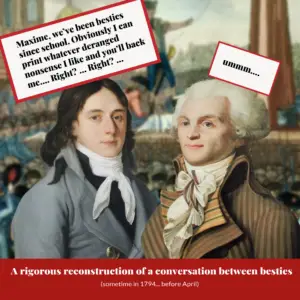
Robespierre, Desmoulins and the Trial of the Indulgents
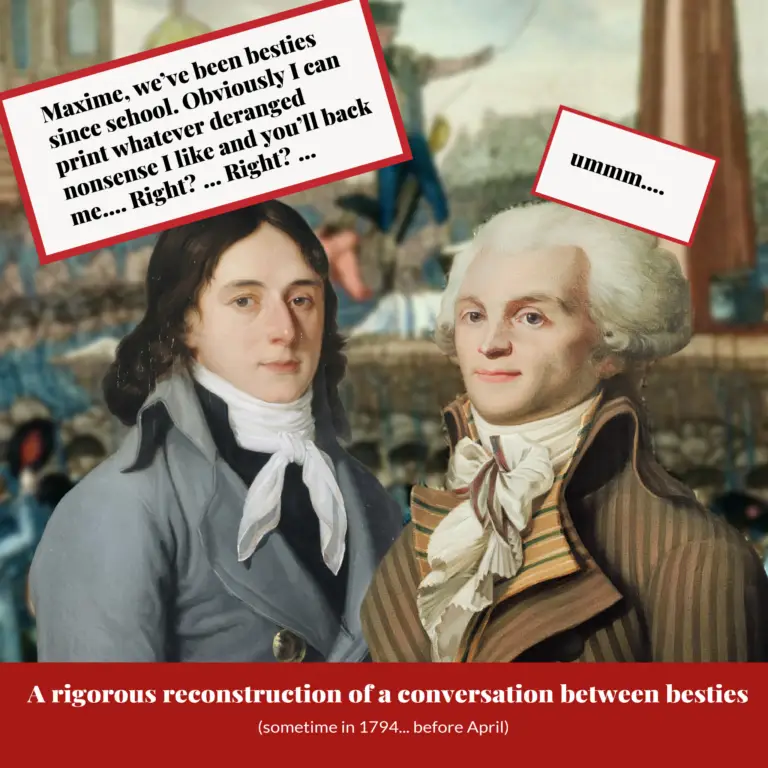
Camille Desmoulins and Robespierre had been friends for years. By April 1794, one was dead and the other had helped send him to the Revolutionary Tribunal. What did Camille think of Robespierre in his final days, and did Robespierre ever regret what happened?
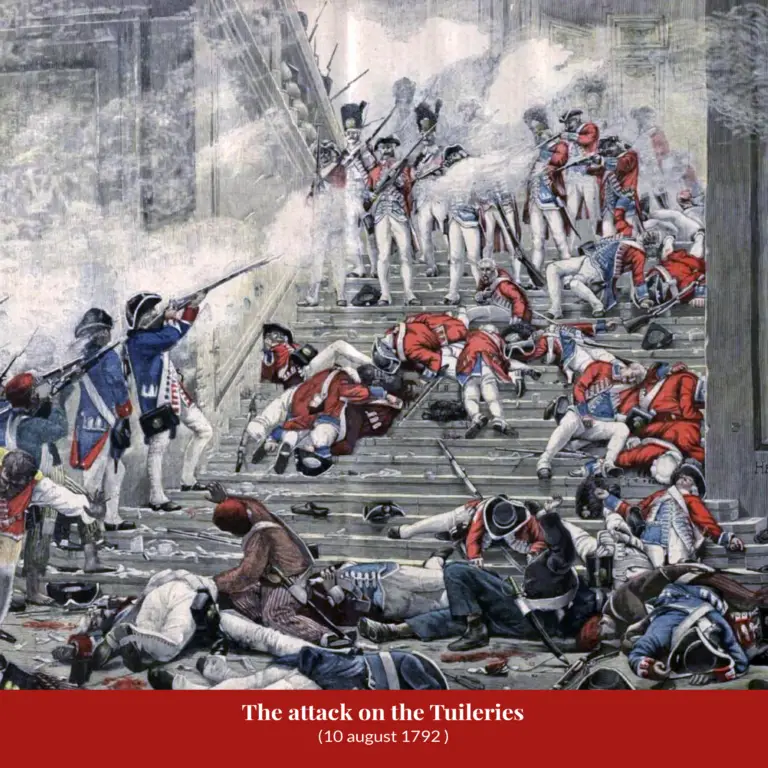
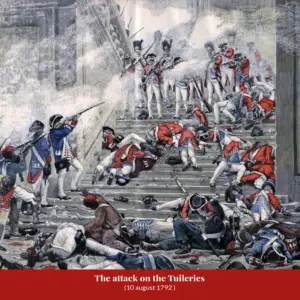
Henri de La Rochejaquelein at the Tuileries
Henri de La Rochejaquelein was at the Tuileries on 10 August 1792, among the men called in to defend Louis XVI. He survived the attack, escaped across the Seine, and then spent weeks trying to get safely out of Paris.
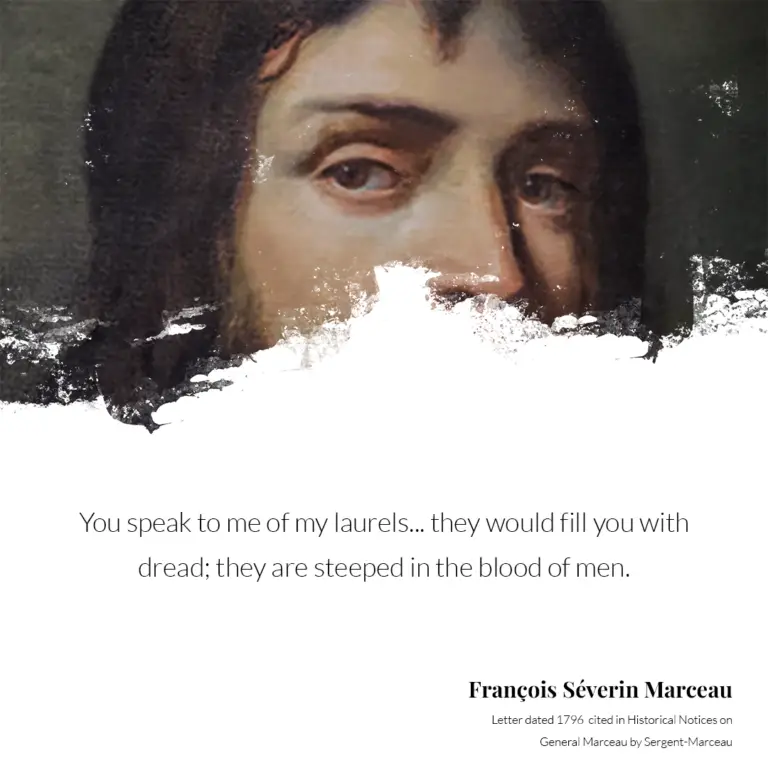
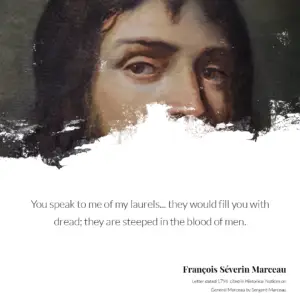
Marceau: The Republican General Mourned by His Enemies
François-Séverin Marceau was one of the most capable generals of the French Revolution, but what made him exceptional was the restraint and humanity he showed in a war defined by extraordinary violence. He protected civilians, showed mercy where he could, and died at twenty-seven surrounded and mourned by the very enemies he had been fighting.
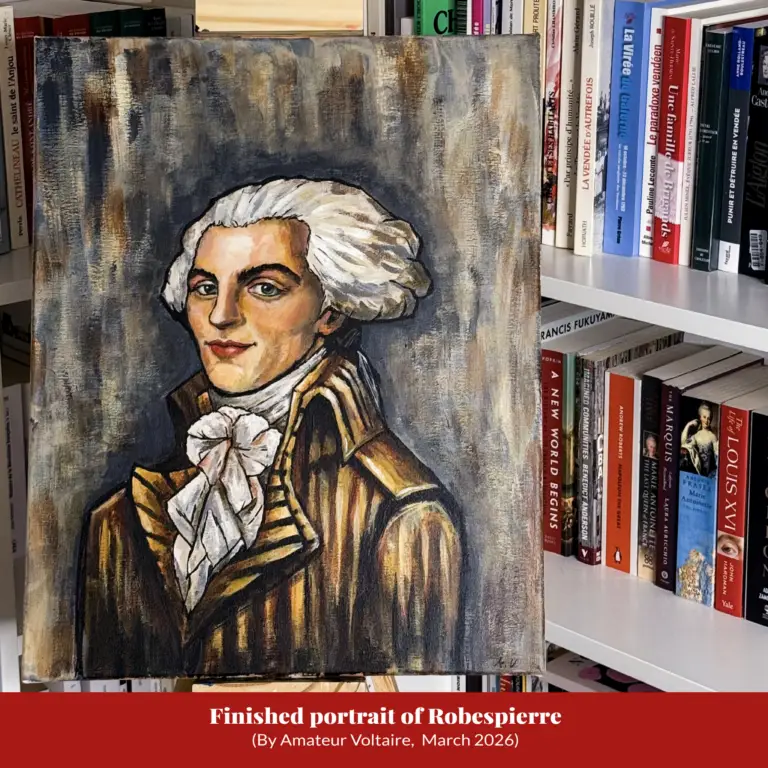
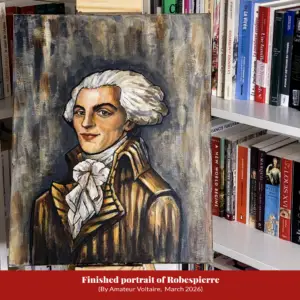
The Many Faces of Robespierre
Robespierre was painted and drawn repeatedly during his lifetime, but many of the images now associated with him are lost, disputed, copied or misidentified. This article looks at the surviving portraits, what contemporaries said about his appearance, and which images are most likely to represent him accurately.
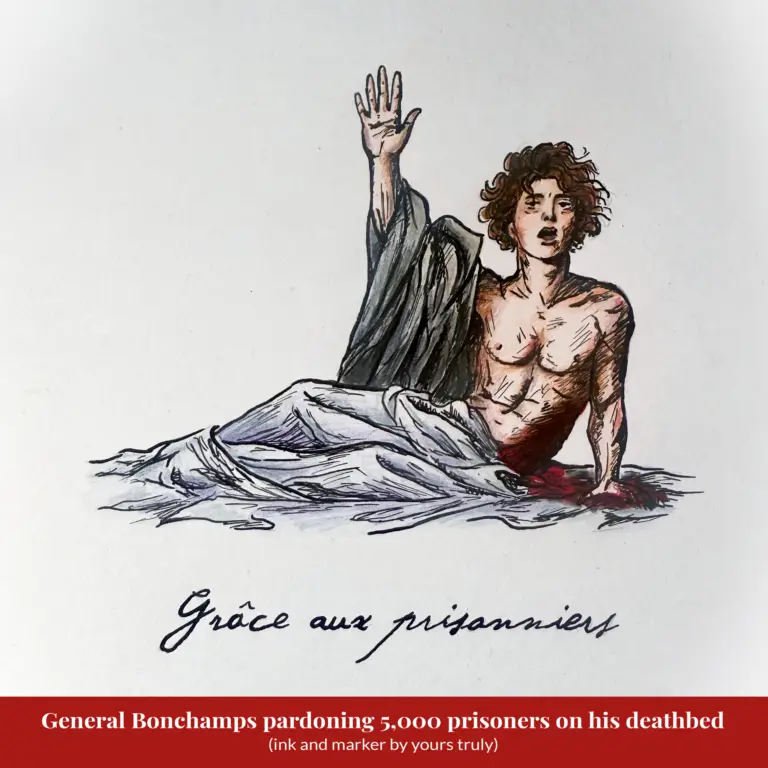
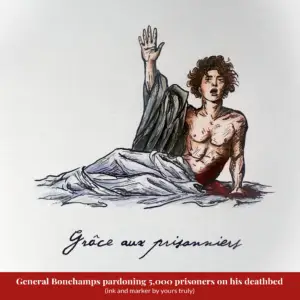
The pardon of Bonchamps
Charles de Bonchamps was mortally wounded at Cholet in October 1793. Before his death, he ordered the release of thousands of Republican prisoners held at Saint-Florent-le-Vieil.
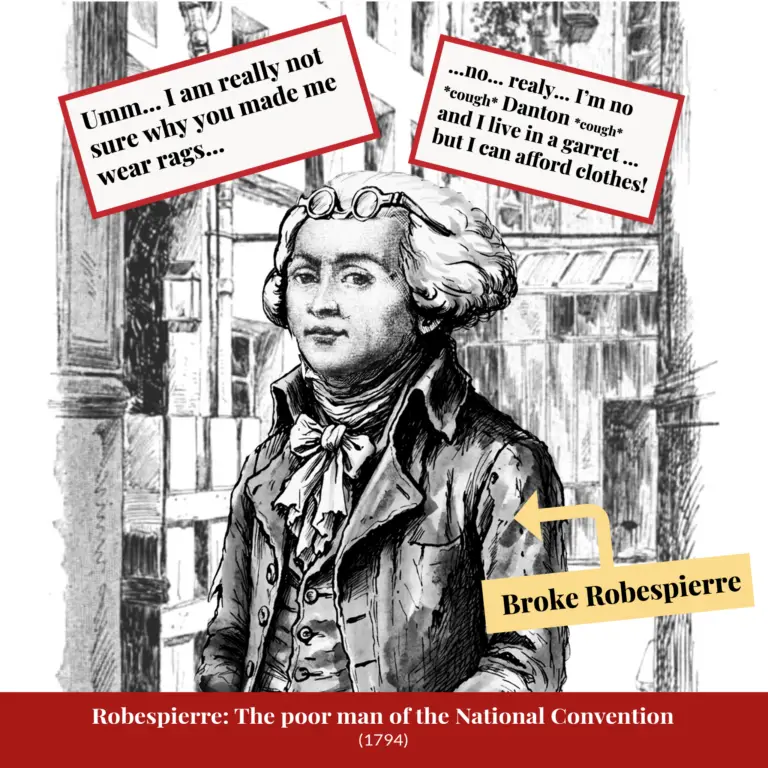
Robespierre: The poor man of the National Convention
A look at Robespierre’s finances from childhood to his death, including his family background, education, legal career, parliamentary income and the modest estate he left behind.
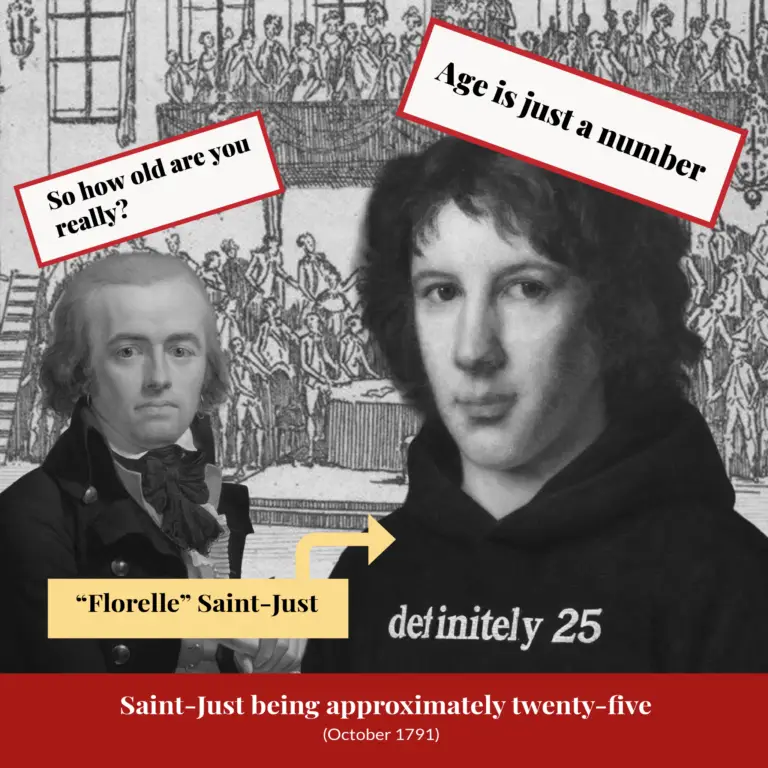
Saint-Just and the Problem of Being Twenty-Four
Saint-Just was repeatedly challenged over his age during elections in 1790 and 1791. The episodes offer a useful glimpse into the electoral rules of the early French Revolution, who qualified as an active citizen, and how Saint-Just tried to get around them.
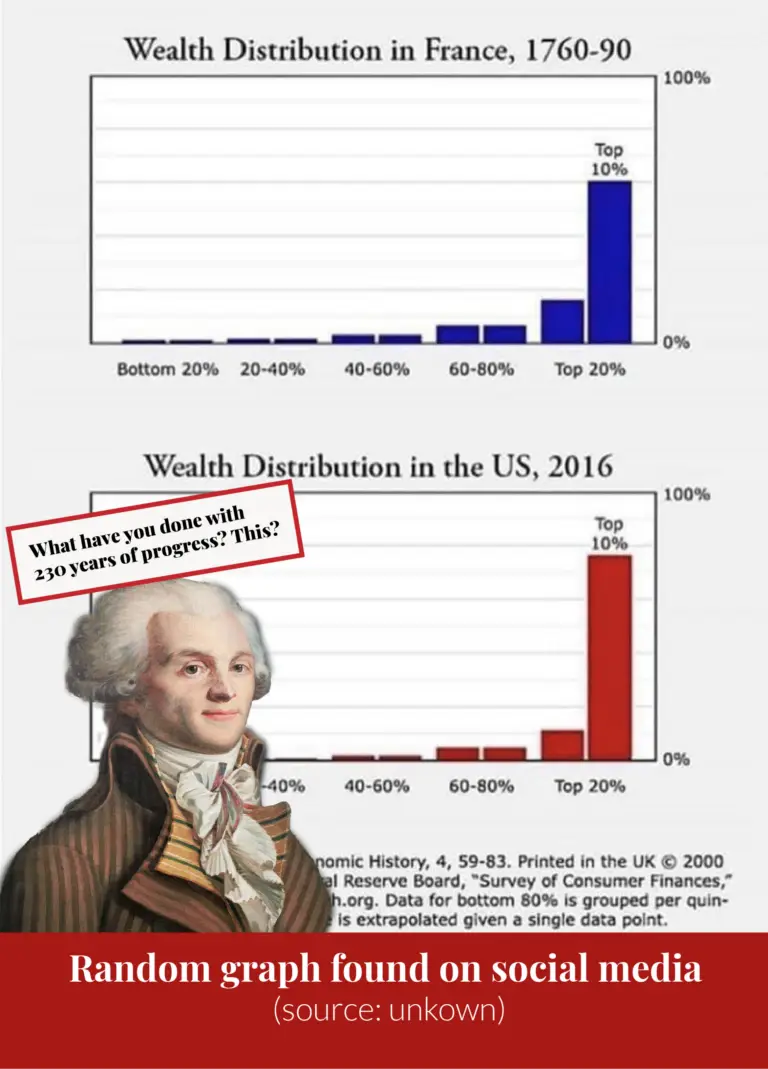
Viral history is not always accurate
I went back to the original study behind a widely shared graph on inequality in pre-Revolutionary France to see whether the numbers actually support what the graph claims.
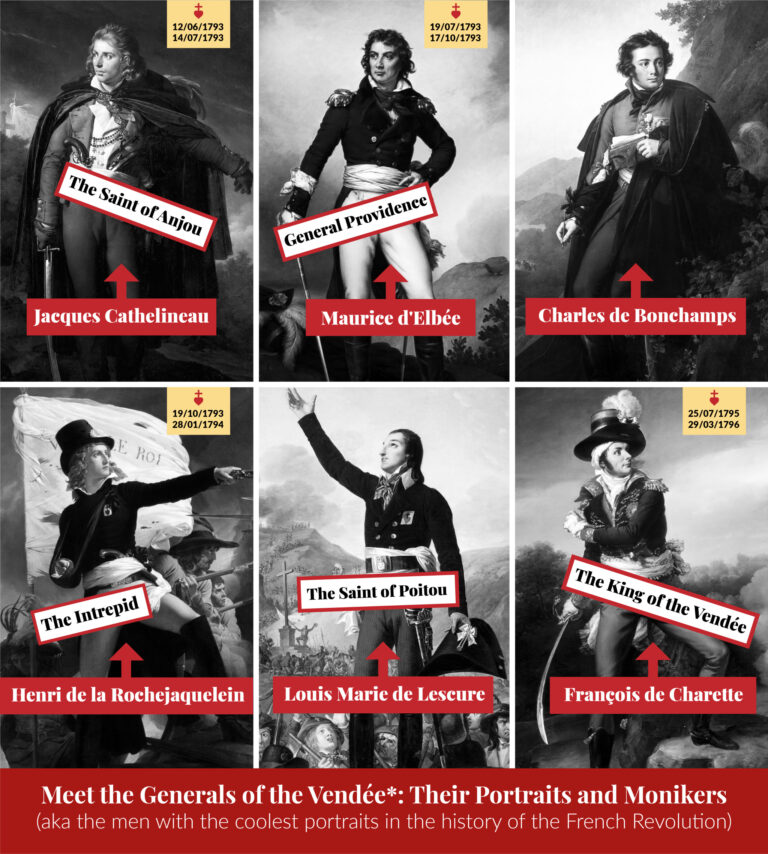
The profile pic of vendeen generals
A look at the portraits of the Vendéan generals commissioned under Louis XVIII, and how royalist symbolism, selective memory and the deliberate absence of battlefield violence helped turn the leaders of a civil war into figures of Bourbon reconciliation.
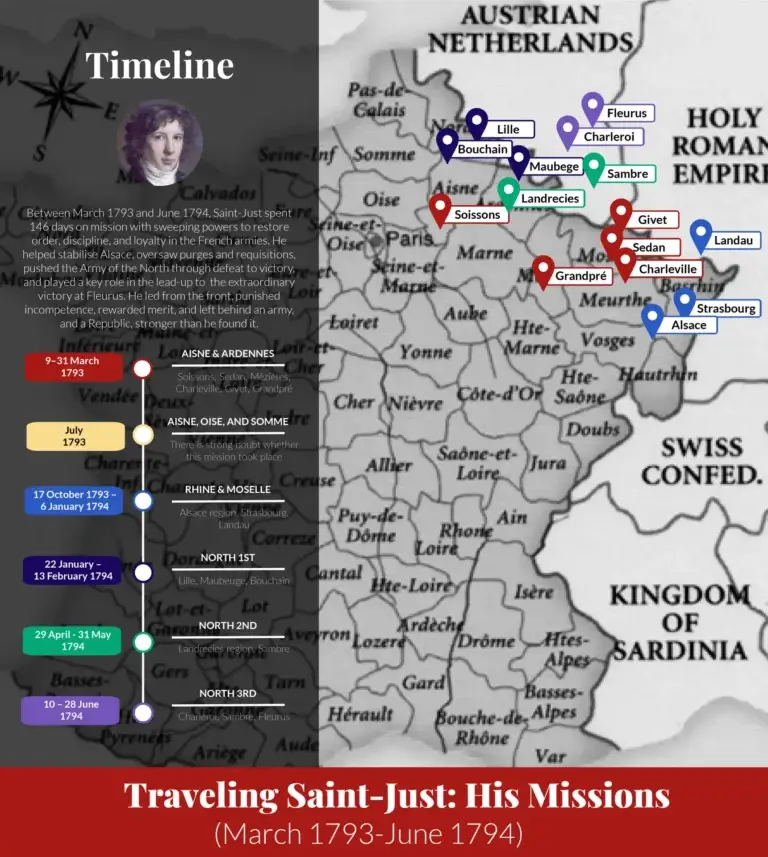
What Military Experience Did Saint-Just Have?
Saint-Just had no formal military training and had never served in the regular army before 1793. His military experience began with the National Guard at Blérancourt, but his most important role came later as a representative on mission to the armies of the Rhine and the North.